


.svg)





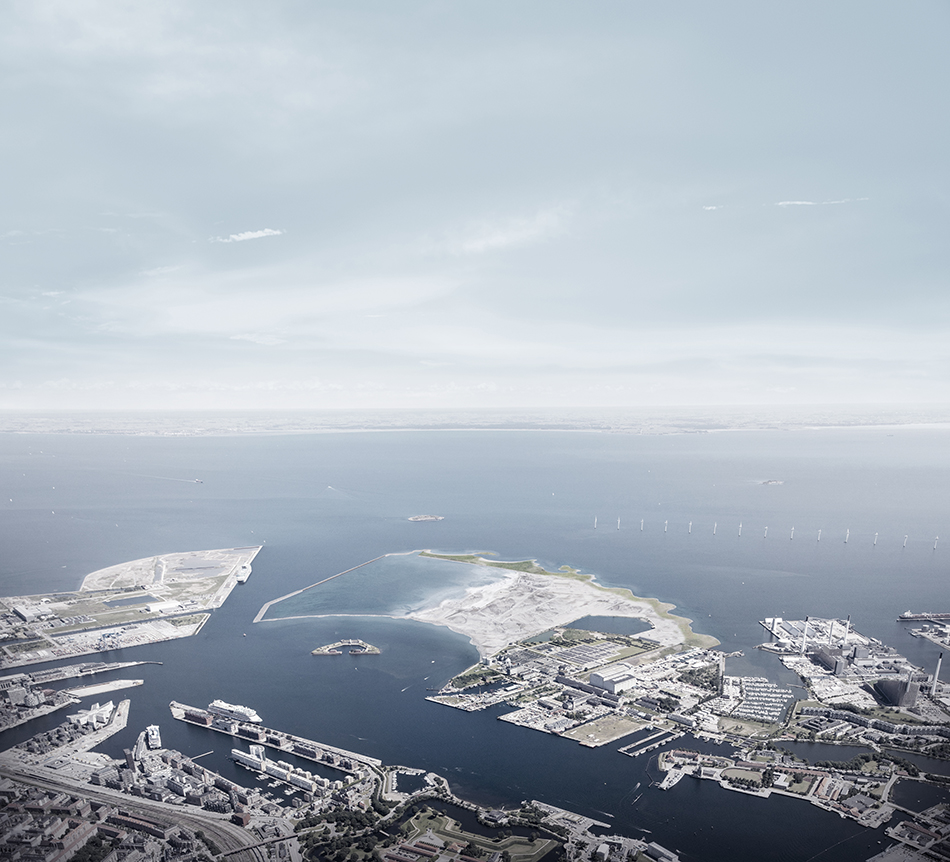
The island is designed to function as a coastal barrier that blocks severe storm surges coming from the north. In this way, the inner harbor, Nordhavn, and the historic city center will be made safer against extreme weather events. The barrier structures include breakwaters, elevated coastal embankments, and controllable passage points.
The reclamation works for Lynetteholm are based on reusing clean excavated material generated by infrastructure projects across Copenhagen. This approach both reduces waste transport and lowers the carbon footprint of the project. Once completed, the island is planned as a next-generation climate-resilient urban district with housing, public parks, transport infrastructure, and recreation areas integrated with the sea.
In the long term, Lynetteholm will serve as a multifunctional climate infrastructure that enables Copenhagen’s controlled expansion to the north while protecting the city against marine risks. The project is regarded as one of Europe’s most ambitious artificial-island initiatives, combining engineering, urbanism, and environmental resilience within one integrated vision.